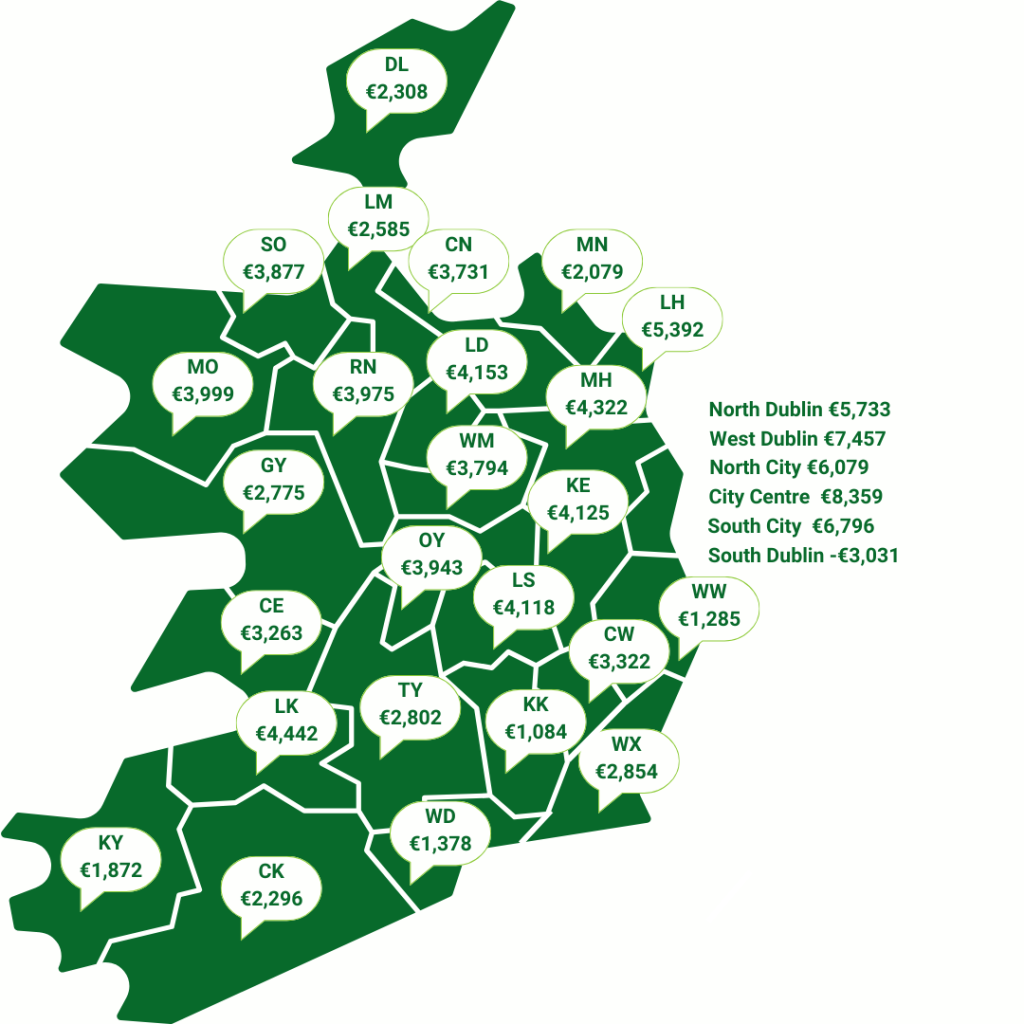
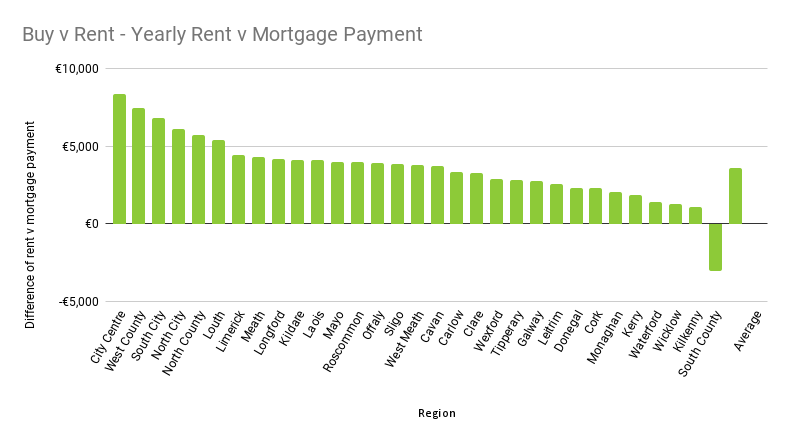
moneysherpa.test.inview.ie analysed how rents now compare to the equivalent monthly mortgage payments on the same properties region by region. The average renter will now pay €3,588 a year more than a buyer taking out a 90% loan to value mortgage on the same property.
Significant Differences In Savings Across Ireland
The analysis found that in Dublin, Louth, Limerick, Kildare, Meath, Longford and Mayo renters were paying an average of €4,000 more a year than buyers. With City Centre Dublin showing the highest difference at €8,359 more in rent paid each year and all areas of Dublin paying over €5,700 more versus the repayments on a 90% mortgage on the same property.
The only region in the country where rents are actually lower than mortgage repayments is South County Dublin, where renting is over €3,000 cheaper a year than buying.
South County Dublin was very much the exception though, in all other regions buying saves at least €1,000 a year compared to renting.
The moneysherpa analysis indicates that renters are those being worse hit by the housing crisis. With a shortage of new rental supply driving a 8.0% increase in rents year on year combined with strict mortgage lending limits locking out renters from buying.
The Irish Central Bank imposed lending limit of 4.0 times salary is one of the strictest lending caps in Europe, with would-be buyers being forced to continue renting as they are unable to get a mortgage due to the bank’s rules.
Even if a would be buyer hurdles the Central Bank limits they then face lenders with some of the highest rates and strictest credit policies in the world.
Creative Solutions Needed
This analysis raises some significant questions about the current mortgage lending rules, which are creating a chasm between those who can get a mortgage and those that can’t.
Those that can, pay over €100,000 less to live in their home over 30 years and then own a home that they can pass onto to their family if they wish. Those that can’t, pay over €100,000 more over 30 years and have nothing to show for it.
The government, regulators and lenders need to develop more creative solutions to help trapped lenders get on the property ladder.
The idea that expanding grants or relaxing credit rules will inflate housing costs or result in unsustainable repayments is misguided, housing cost inflation and unsustainable repayments are already here in the form of sky high rents.
Relaxing mortgage rules or increasing the scope of grants will simply allow more people to own their own homes and become financially secure.
Average regional rents, house prices and monthly mortgage repayments.
You might have heard that the average mortgage switcher in Ireland saves over €20,000, but that sounds too good to be true, right?
I mean if that was true everybody would be doing it surely and you’d be straight on google to get switched yourself, so there must be a catch?
Spoiler alert: There’s no catch.
That’s why record numbers are switching right now with more joining in everyday.
So we thought in this article we would share some real life examples of 3 of our recent mortgage switchers. That way you can see for yourself what people are actually saving and what’s actually involved in being a switcher.
Read on to see what switchers just like you have saved in the last few months and how much you could save by switching.
Noel & Naeiri Gavin have a home in Navan and switched their mortgage using online broker moneysherpa.test.inview.ie. Noel works in engineering and Naeiri is a stay at home mum.
Due to a combination of the strong property market in Navan and a number of home improvements they made to the house, the value of their home increased to over €500,000.
This reduced their loan to value to less than 60%, which is the size of the mortgage compared to the value of the property, allowing them to access better mortgage rates.
They originally took out their mortgage with Permanent TSB which has one of the highest rates in the market.
The fixed rate they were on was expiring in a few months so they contacted Moneysherpa for guidance on their next step.
If they did not take action the mortgage would revert to the general variable rate from PTSB, which was 3.7%.
[mortgage_rates_var_followon_ltv_compare]
moneysherpa advised them that they could save even more by switching provider to ICS mortgages, who’s fixed rate packages at 2.29% APRC recognise and reward the reduced risk from a low Loan to Value ratio when your property is worth more than your loan value.
Noel & Naeiri were able to reduce their mortgage payments and take 4 years off their mortgage saving over €38,000 in the process by completing the switch.
Murray and Jennifer, switched from AIB to Avant Money – Example
Murray and Jennifer living in Drogheda switched their mortgage from AIB to Avant Money with moneysherpa. They saved over €10,000 with Avant Money’s 7 year Fixed rate and were able to use the savings they made to pay off their mortgage earlier.
Avant Money have some of the lowest rates on the market, their 7 year fixed is one of our favourites starting from 1.95% and locking in your savings for 7 years.
AVANT MONEY RATES (APRC calculated on €100K loan, 30 years, valuation of €185, security release €40)
ICS Mortgages pip Avant at the post for the shorter fixed term products due to their more flexible credit policy. However if you have a sparkling credit history the Avant Money 3 year and 4 year fixed at 2.39% & 2.43% respectively are so close it makes no difference.
Sandra, Switching from PTSB to Avant Money – Example
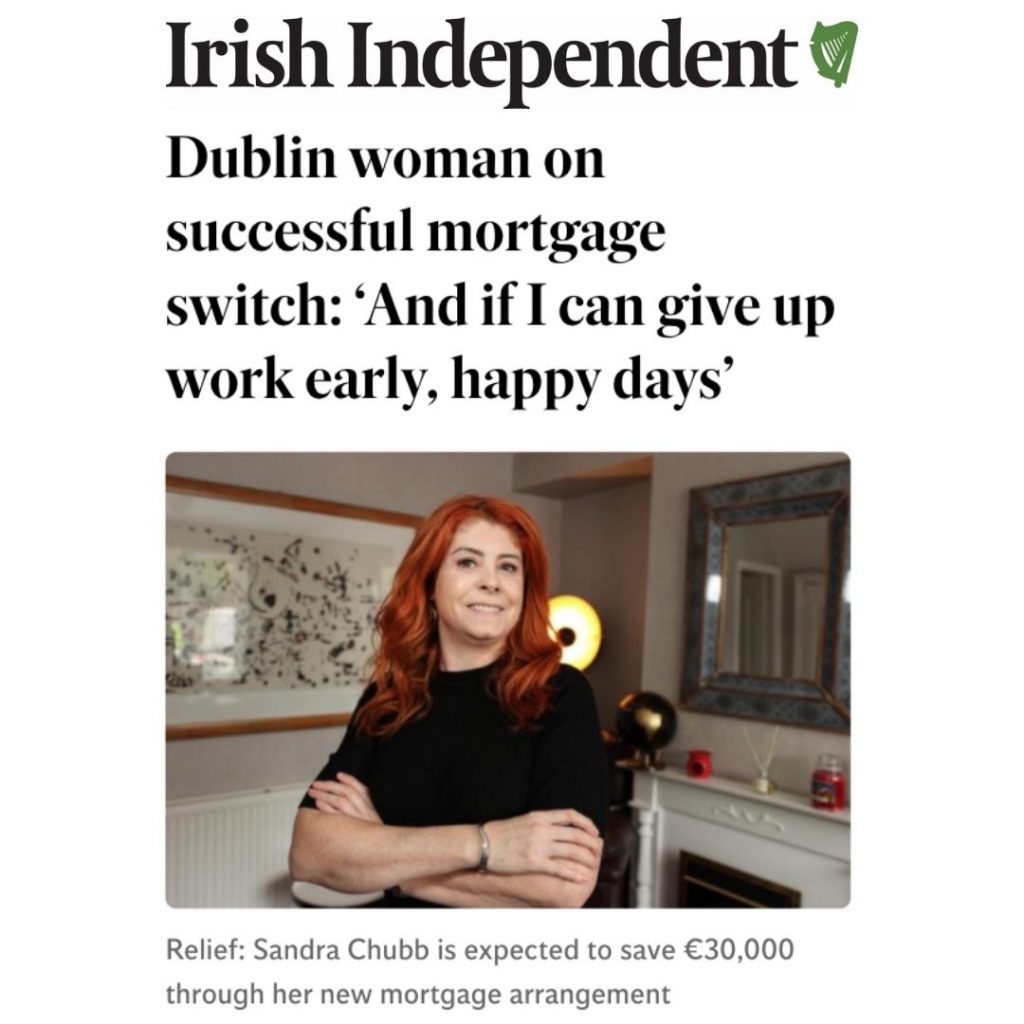
Sandra Chubb from Ballyfermot switched her €110,000 mortgage from PTSB to Avant Money in January.
She saved over €10,000 by lowering her interest rate from 3.4% to 2.01% APRC with Avant Money’s 7 year fixed product.
By reducing her interest rate by over 40% she was able to afford to reduce her mortgage term from 21 years to just 12 saving thousands in interest payments.
“They were really friendly, gave me independent advice and helped me pull together the paperwork. Most people don’t realise they are in a position to save so much by switching”
That’s why we would recommend using a broker to help you switch to a fixed rate product with a low on-going rate from either Avant Money or ICS.
The lenders with the lowest rates can usually only be accessed by brokers, many brokers are free to use and they can take the pain out of the paperwork.
It makes more sense than ever to compare mortgage rates with massive savings available. There probably isn’t another financial decision that has as big an impact on your wallet.
A big thanks to Noel, Naeiri, Murray, Jennifer and Sandra for letting us share their stories.
The non bank lenders ICS, Avant Money and Finance Ireland have really leapt ahead of the pack this year with a 0.5% discount across all mortgage types. This has left the banks, who are weighed down with legacy costs, trailing in their dust.
Annual Percentage Rate Charge (APRC) calculated on a €100,000 loan over 20 years. APRC represents the average rate across the lifetime of a typical mortgage and is recommended as the best rate to use for comparisons by the CCPC. [1]
Ulster KBC switching. Avant Money are offering €1,500 upfront for anyone switching their mortgage from Ulster Bank or KBC. The offer is available until the 31st of March and targets customers thinking of switching from Ulster & KBC as both exit the Irish market this year.
Ulster Bank have sold their existing mortgages to PTSB and KBC to Bank of Ireland. This means if you have a mortgage with either you and your mortgage will transfer.
Higher Rates on the Way for Ulster and KBC customers? – Ulster KBC Switching
PTSB and Bank of Ireland have the highest mortgage rates in the market so many Ulster and KBC customers are considering switching to a different lender. If you are in your fixed rate period then PTSB and Bank of Ireland will have to honour those rates, but after that they could choose to hike rates increasing your monthly repayments.
You can see how much higher PTSB and Bank of Ireland rates are in the table below.
[mortgage_rates_var_followon_ltv_compare]
Free Switching Costs – Ulster KBC Switching
Switching costs are usually around €1,500 for solicitor and valuation fees combined, so this offer will make switching from Ulster and KBC effectively free.
At moneysherpa for example we offer an all in legal package including all outlays for €1,200 including VAT, while estate agent valuation fees are typically around €200. So €1,400 all in.
Example Switching Saving – Ulster KBC Switching
So a typical KBC mortgage customer on their 4.25% variable rate, with €172,000 remaining over 16 years would save €187 a month and €35,983 over their remaining term. The repayment calculation is based on switching to Avant Money’s 5 Year fixed rate and using the switching offer to cover their upfront costs.
[mortgage_rates_3yr_ltv_compare]
If you are with KBC or Ulster and not on a tracker, the new Avant Money €1,500 switching offer means you will probably save over €20,000 without having to pay any upfront fees.
Ulster and KBC have been bought out by the banks with the highest mortgage rates in the State, PTSB and Bank of Ireland, so now is a good time to switch to avoid higher rates down the line.
You can book a free appointment to check out if you would save here.
Buying a home is probably the biggest financial decision you will ever make and one of life’s most stressful times. So you are probably super keen to know how long does mortgage approval take and can you get pre-approval or approval in principle like yesterday.
Knowing how mortgage approval and pre-approval works in Ireland can help you secure your dream home and reduce your stress levels.
That’s because how you apply makes a big difference to how much you can borrow and how long the whole process will take.
With our Ultimate Guide to how to mortgage approval Ireland 2023, you could borrow up to 4.5 times your joint income and get the whole thing done and dusted in less than 3 months.
Here’s our top 3 how to get mortgage approval Ireland 2023 tips
Maximise your savings in the 6 months before you apply to maximise what you can borrow
Understand how best to navigate the mortgage approval process to minimise delay
Use a broker with a wide selection of lenders to maximise your mortgage approval odds
If you want to find out more before diving in read on to see understand how you can get mortgage approval and maximise how much you could borrow while minimising the hassle factor.
Work Out How Much You Can Borrow – How long does mortgage approval take Ireland 2023
The first step is to work out how much mortgage you can get, you might not need to borrow up to your limit, but it will help you to understand your maximum budget in case you find yourself in a bidding war for your new gaff.
To help avoid a credit bubble like the one that went pop back in 2008 the Central Bank sets some absolute maximum limits that no lender can go beyond.
If you are buying your home to live in, the limit is the lower of either
Income – 4.5 times your joint gross income per year
Deposit – 10 times your deposit
Wait a minute before you rush off and bid on that dream home, the Central Bank only allows 20% of all borrowers in any year borrow up to these limits.
The lenders are therefore very picky about who gets these ‘exceptions’ only putting forward people with squeaky clean credit histories and very high levels of disposable income.
If you fall outside the top 20% of applications then the limits are
Income – 3.5 times your joint gross income per year
Deposit – 10 times your deposit for first time buyers and 5 time for others
As part of the application process the lenders will also run the rule over your ability to repay the loan. Based on this they may lend you less than the limits above or indeed nothing at all.
For most people the 3.5 times salary limit is the one that applies and gives the best idea of your budget. However if you need an exception to make up the numbers or want to maximise your odds of approval you can use our instant Approval In Principle (AIP) tool below.
Our tool runs the numbers based on your income and expenditure and instantly spits out your odds of mortgage approval across the lenders. Even better we will then automatically email you with a provisional Approval In Principle that you can use to view property and start your house hunting!
Maximise My Approval Chances – How long does mortgage approval take Ireland 2023
Even if you have enough disposable income for mortgage approval on paper based on our provisional AIP calculator we then have to back this up with evidence.
Lenders try to work out, based on information on your application for what’s know as a full Approval In Principle, the likelihood of you not paying back the mortgage in full. If a loan goes south that’s a big hole in their profits, so the more risk they think you are the less they will lend.
This means you can maximise the mortgage you can get by knowing what they are looking for and getting your finances in shape in advance of mortgage approval.
This is why the question how long does mortgage approval take can have a different answer depending on your circumstances. A switcher can be done in 6 weeks as they have solid proof they can make the repayments, while someone who doesn’t have evidence of spare cash left over might have to wait up to 6 months before even applying.
The 6 months before the application is critical as lenders will look at your bank statements in this period to assess your ability to repay the loan as part of the application.
So what are the key things you can do to maximise your approval chances?
Maximise your Income – Many lenders include 50% of overtime, bonuses and commission, so maximising these can be a big help.
Clear your outstanding loans – These eat into your ability to repay and are usually higher interest than your mortgage will be.
Secure your employment – Make sure you have finished any probation period or have a long term contract.
Don’t splurge – Minimise your outgoings, so you show consistent evidence of saving some money at the end of every month.
Delete your Paddy Power app – Any major spend on online gambling is a big no no and don’t try to be smart by moving it to your Revolut account the lenders are wise to that and will ask for statements.
Keep your nose clean for 6 months and you will demonstrate to the lenders you can be trusted and will maximise your mortgage potential.
Get Some Help – How long does mortgage approval take Ireland 2023
So you have 6 months of sparkling clean bank statements and you are sick of living on your mates couch, what do you do next?
You have two choices to kick start the application process.
Apply to one of the lenders directly
Apply to a lender through a broker
Which lender you apply to can make a huge difference to your approval chances and what you will pay over the course of the mortgage. That’s why we recommend using a broker for your application.
A broker can look at your situation and match you with the best lender to maximise your approval chances and minimise your repayments. Brokers are often free to use and are impartial as they get paid the same commission 1% of the mortgage value by all the lenders.
Not all brokers are created equal though. Check out if your broker has:
Access to the best lenders for rate Avant Money, ICS, Haven and Finance Ireland
No fees or low fees for your type of application
An online application process to make the paperwork easier
A best rate guarantee
What Happens Next – How long does mortgage approval take Ireland 2023
Once you have chosen your broker you can get the application underway.
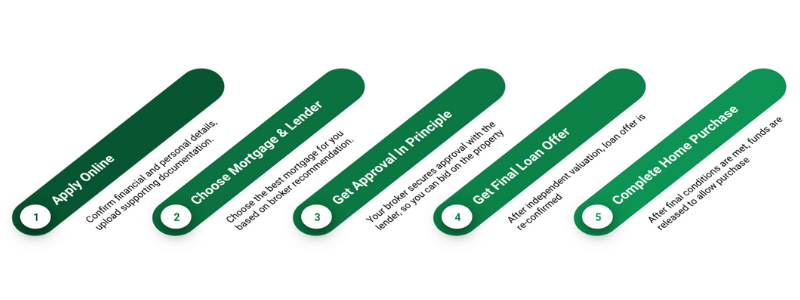
1. Apply Online
First up you will need to confirm your personal and financial details to get your instant Approval In Principle. You can jump right in below to start the process now.
Once you have your provisional approval you can upload supporting documents like your bank statements and proof of identity onto the brokers application platform.
These documents are needed to help prove you can repay the mortgage and also prove you are who you say you are.
2. Choose Mortgage & Lender
Your broker then reviews your details plus documents and recommends the best lender and mortgage product. As each lenders approval policy is different they will match you with the best one for you.
For example, ICS lend more to public servants and is good for short term fixed rates. Avant Money on the other hand don’t do exceptions above the 3.5 salary, but have the best long term fixed rates.
They will also run you through the other options and why they think they aren’t a fit for you at this point.
3. Get Full Approval In Principle (AIP)
Your broker will then use the documents and details you submitted to apply for approval with the rate and lender you picked. It can take 3 days to 3 weeks to get approval depending on the lender you choose (your broker will fill you in on this).
You can now go bid on a property knowing you have an approval in your back pocket!
4. Get Final Loan Offer
Once your offer has been accepted your broker will have it valued by an independent estate agent. This is so the lender can have confidence that the asset that they are securing the lending on (your new house), is worth what you say it is.
Once the lender has all the details on the property from the broker they issue the final offer, which includes any conditions before you can access or ‘drawdown’ the loan. These are usually things like you must have a life protection policy and home insurance in place, which your broker will help you arrange.
5. Complete House Purchase
Ta Da! The moment you have been waiting for, once the conditions are met the loan is released and you get the keys to your new home!
In a Nutshell – How long does mortgage approval take Ireland 2023
How you apply for a mortgage makes a big difference to how much you can lend, how long it takes and your approval chances.
Then you need to make sure all your documentation lines up and if needed clean house on your finances for the 6 months before you apply.
You should then engage with a broker who can guide you to the best lender and help take the pain out of the paperwork. You can check out moneysherpa’s own in house broker teams the mortgage sherpas here.
Finally, make sure you know the process and where you are in it, so you can reduce your stress and maximise your chances of getting your dream home.
Remortgage Ireland 2024. When I headed up mortgage products at PTSB, the low numbers of people remortgaging in Ireland was a shock. Despite huge savings we still have one of the lowest rates of remortgaging on the planet.
Remortgaging is simply taking out a new mortgage to pay down your old mortgage, either to get a lower rate (known as switching) or to release cash tied up in your home (know as top up or equity release).
Anybody who took out a mortgage after 2008 and is no longer on an introductory rate is likely to save around €25,000 by remortgaging. Over half of all mortgage holders, that’s over 450,000 households, will save at least €5K.
Why is the remortgaging rate so low? Well, most people don’t know how much they can save or how to remortgage. By the end of this article you will be one of thew few lucky ones able to take advantage of the record low interest rates for those remortgaging right now!
Would I save by remortgaging? Remortgage Ireland 2024
If you are one of the 66%+ people who took out a mortgage after 2008 you should definitely look into remortgaging. This is because you’re probably on what lenders call a standard variable rate.
Irish Standard Variable Rates are some of the highest in Europe, at 4.2% [1]. Remortgaging to a new business rate will reduce your interest rate and remove the risk of further increases.
If you are on a tracker mortgage, remortgaging might also make sense as ECB rates are at record highs and it may help you cap your repayments.
Even if you are on a fixed rate, if it’s less than 3 years you should probably consider remortgaging to get on a longer fixed term deal of 5 or more years to protect against upcoming variable and fixed rate increases.
How much would I save by remortgaging? Remortgage Ireland 2024
If you are in the majority of Irish mortgage holders (66%+) who would save big by remortgaging, working out exactly how much you would save isn’t complicated.
Our handy mortgage repayment calculator automatically calculates the rates available at your LTV and estimates out how much you would save if you remortgaged to the best rate in the market.
If you want to see all the providers mortgage rates and your repayments for your LTV you can click the more information button.
The loan and term outstanding is easy to get as it is sent to you each year by your lender and doesn’t change that much each year. For people remortgaging last year the loan was €170,000 and the term 15 years on average. [2]
The more your home value rises the lower the rate you can get when you remortgage. This is what lenders call the Loan to Value ratio or LTV. If you’re not sure about your home value it’s easy to estimate.
If you bought before the crash in 2008 your house is probably now worth about what you originally paid for it as the market has pretty much bounced back since then.
If you bought after 2008 it should be worth roughly what you bought at, plus give or take an additional 4% for every year since you bought. So if you bought ten years ago you can add on 40%, nice!
How much hassle and cost is it remortgaging? Remortgage Ireland 2024
Fortunately to remortgage in Ireland 2024 isn’t like applying for a mortgage the first time around. You can now do it totally online and for free.
There are still some upfront costs you have to watch out for, you still need to get a solicitor to handle your house deeds and help you with the new mortgage agreement. You will also need to get your house valued by an estate agent to help set your mortgage rate.
The higher the value of the house the lower the loan to value rate, which means less risk for the bank, which means a lower rate for you.
All in switching costs usually come in at around €1,200 including the VAT, way lower than the potential savings.
Even better lenders, who are keen for new business, often pay for your solicitors fees and to get your home valued and for you to use an online switching platform like moneysherpa’s. AIB and Haven offer over €1,500 towards the cost of switching. BoI, PTSB and EBS all offer 2%+ cash back which often works out at even more.
Plus, they will handle all the paperwork for you.
How do I remortgage Ireland 2024?
If you use a service like moneysherpa’s it is pretty straight forward. The main thing you need to worry about is what to do with the money saved. Seriously, do you?
1. Pocket the savings
If you bought after 2008, have around €170,000 and 15 years left on your mortgage you should be looking to save over €180 a month in saved interest payments.
That would be €32,400 saved over the 15 years, without including cash back payments if you keep switching. This can make a really positive difference to the household budget and give you some welcome financial wriggle room.
2. Pay off the mortgage earlier
This is personal favourite as you effectively double down with your savings.
If you use the €180 a month you save to pay off your mortgage quicker, you can reduce your term by over 10% without paying anymore than you do today. Saving you another €4,307.
That’s €32,400 + €4,307 = €36,707 saved.
3. Release more cash
If the lower monthly repayments from remortgaging mean you can borrow more, known as topping up your mortgage you could free up the cash tied up in your home. Because it’s secured on your home, a mortgage is one of the cheapest ways of securing credit. This can be a great way to fund big once off investments, but be careful if you might struggle to repay the higher amount.
In a nutshell – Remortgage Ireland 2024
Remortgaging is a great way to save. 1 in 5 people will save over €25,000 and over half will save over €5,000 by remortgaging in Ireland 2021.
Rates are better than ever and many mortgage brokers will handle the paperwork for you for free as they are paid by the lenders. Talking to a broker can help you work out the best option for your own circumstances, whether you are looking to simply save, fix your rate or free up cash.
Remortgaging is simply taking out a new mortgage on your existing property. When this is done with a lender who isn’t your current lender this is also known as switching. Typically people remortgage to get a lower rate, a shorter term or to borrow additional funds, also known as a mortgage top up.
What the difference between a remortgage, a switch and a mortgage top up?
A remortgage can either be with your current lender or a new lender, while a switch is a remortgage with a new lender. A top up is a remortgage that takes out more funds usually for home improvements.
Why remortgage?
There are two main reasons why people remortgage or switch mortgage. 1) New customer rates in Ireland are almost half existing customer rates, so remortgaging can save mortgage holders significant amounts in interest payments 2) To release equity tied up in your home. To allow investment or major purchases at mortgage interest rates which are lower than other types of loans.
How to remortgage your house?
The first step is usually to talk to a mortgage broker with access to all the lenders. They will look at who is most likely to lend to you and at what rate. Depending on what you want to do, different lenders will be suitable for different things.
How does a remortgage work?
If your switching lenders the new lender will pay down your current mortgage with the current loan. If you are still in your fixed period there may be what’s known as a breakage or early redemption fee, check with your current lender if there is, usually there is no or a very low fee and it still makes sense to switch. Once your new loan is in place with the new lender you will move on to the new terms you have agreed.
What is a remortgage?
A remortgage is a new mortgage on a property already with a mortgage. Usually that new mortgage is used to pay off the previous mortgage. Often the new mortgage is at a lower rate reducing the repayments and saving money for the mortgage holder. In Ireland this is often known as switching mortgage.
How early can I remortgage?
If you are on a variable or tracker rate you can remortgage straight away, if you are on a fixed rate you may be charged a ‘breakage fee’. However, these fees are regulated by EU law and can be zero or quite low, so you may be able to still remortgage within your fixed term. Check with your current lender what your break fee would be and then talk to a broker.
How do you remortgage a house?
To remortgage you take out a new mortgage with a new lender and use that to pay off your current lender. Usually to improve the rate or increase the mortgage amount. This known as mortgage switching in Ireland and remortgaging in the UK, but it is the same process.
Don’t let mortgage switching costs put you off switching. Switching mortgage improves your financial shape more than anything else bar winning the Lotto. In fact, if you bought after 2008 you will probably save over €20,000 by switching to lower rates.
That said, there are some upfront costs you need to know factor in, read on to find out what they are, how you can cover them with cash back and why switching still makes loads of sense.
What are mortgages switching costs and switching mortgage legal fees?
The good news is that switching your mortgage is much less stressful, easier and nowhere near as costly than buying a new home. That said there are still some solicitor and estate agent upfront mortgage switching costs.
Don’t panic though these costs are usually much less than the savings from switching and with some lenders switching mortgage legal fees and estate agent costs are fully covered with upfront payments.
There are no land registry or search fees involved with switching, but you will need a solicitor to do a bit of paperwork for you. Switching mortgage legal fees cover the solicitor costs to:
Request your house deeds on behalf of the new bank from your current bank
Review and advise you on the terms of the loan the new bank is offering you
Witness and process the loan agreement for the new bank
These steps give everyone involved in the switch peace of mind, the bank knows your ownership of the property is kosher and you understand the deal being offered to you by the bank.
As well as switching mortgage legal fees, the other mortgage switching cost is a valuation fee. An estate agent selected by the bank will also value your home, this allows the lender to make sure you are on the right mortgage rate.
How much are mortgage switching costs, switching mortgage legal fees and how much is it to switch?
So how much are the mortgage switching costs all in?
Switching mortgage legal fees range from about €1,500 to €2,000 including VAT at 23%. Typically solicitors in Dublin will be at the higher end of the range.
moneysherpa have agreed an all in switching price of €1,500 including VAT for customers switching with one of their mortgage sherpas [1]. As well as the VAT this all in fee includes
Legal Fees
Bank Fees
Search/Land Fees
Declaration Fees
The other mortgage switching cost is the valuation fee which is much less at around €150.
So if you shop around, your all in costs should come in well below the €2,000 mark inc VAT.
Which banks cover mortgage switching costs, switching mortgage legal fees and what options are there?
Many of the lenders don’t want these costs to put off potential switchers so pay an upfront cashback incentive. These incentives usually cover mortgage switching costs including mortgage legal fees with cash to spare.
Haven offer €1,500, €2,000 depending on the value of the mortgage to cover mortgage switching costs.
PTSB, EBS and BoI offer 2% and 3% of the mortgage loan as cashback. So on a typical loan size of €200,000 that’s €4,000 to €6,000 into your hand, covering your legal fee costs and then some.
These deals are really useful if you can’t afford to cover the mortgage switching costs, but would save by switching. They also are a great option if you are looking to switch multiple times, as under EU law lenders can’t stop you taking more than one cash back.
That said, if you can afford to pay the mortgage switching costs upfront and are looking to get on the best long term deal, you should us the APRC rate rather than the cash back deal to choose your mortgage provider.
In our latest mortgage market reviewthe Avant Money 7 year fixed rate product came out on top, despite having no cash back at all. The 7 year fixed rate is €6,775 cheaper than the best cash back product available on a typical loan size of €200,000.
That’s why you are often better to ignore cash back if you can and cover the mortgage switching costs yourself if you can afford it.
Does it still make sense to switch after mortgage switching costs and switching mortgage legal fees?
If you bought your house after 2008 you are probably on rates of 4% plus.
The rates for switchers right now are at an all time low at around 2%.
This big difference in rate means that you would save over €25,000 by switching on a typical mortgage size of €200,000.
This means that even after you factored in the mortgage switching costs including the legal fees, you would save over €23,000 over the lifetime of the mortgage.
The really great news is that comparing rates and switching is easier than ever thanks to services like moneysherpa.
moneysherpa have agreed an all in switching price of €1,350 including VAT for customers switching with Jacob Law.
Our recommended solicitor panel cover the majority of the country and are experts in property conveyancing, they are 100% online and are the fastest in the market. Just click here to book an appointment.
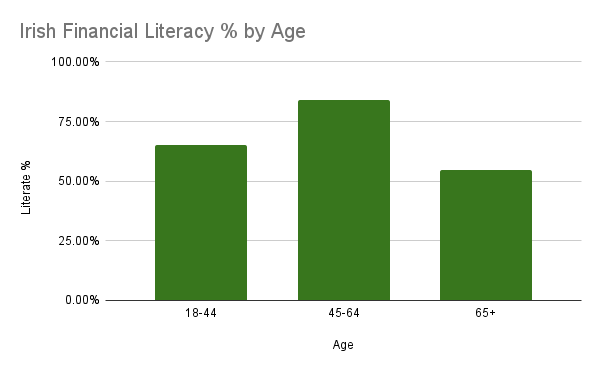
Financial literacy is crucial to having successful financial outcomes, yet only 55% of people in Ireland understand 3 out of the ‘big 4’ financial concepts [1]. This is almost 20% lower than in the UK, Germany, Denmark, Sweden and the Netherlands.
Drilling into the data for Ireland the new moneysherpa study has three main takeaways.
The 18-44 age group is 20% further behind the curve than older age groups
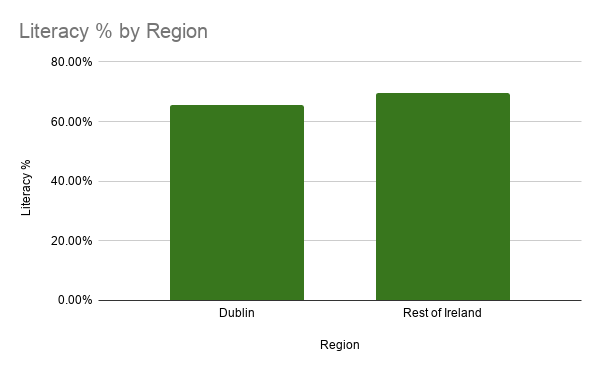
Dublin lags rest of the country for financial literacy
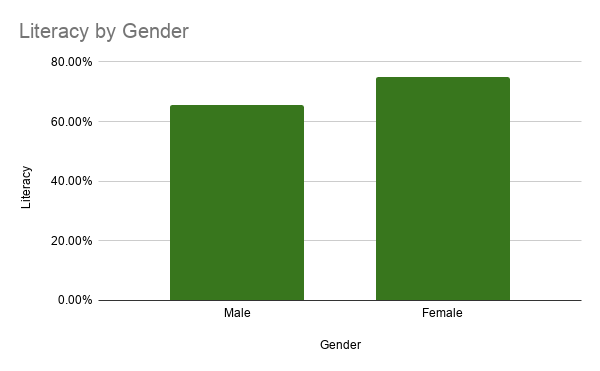
Unlike findings in most other countries Irish women are 15% ahead of men when it comes to financial savvy
Financial literacy matters more now than ever. According to a recent survey conducted by Laya healthcare, the single biggest source of worry for Irish people today is financial worry [2].
In an increasingly dog eat dog financial world where traditional safety nets like defined benefit pensions and jobs for life have fallen away, Irish consumers need to be able to financially fend for themselves.
Yet study after study has shown we are singularly unprepared for this task, with young people in particular lacking the basic skills and knowledge to make smart financial decisions.
Anne Richards, CEO of Fidelity International one of the largest financial providers in the world, believes real world money maths matters “Armies of people leave school knowing their SOHCAHTOA [trigonometry]” she said “perhaps teaching children and young students the building blocks of how mortgages, credit cards, insurance and pensions work … might be more useful.”
Financial Times
The good news is that these building blocks can be boiled down to just 4 fundamental concepts that are easy to learn and teach.
The ‘big four’ concepts you need to know
The 4 concepts behind financial literacy are very straightforward, yet over 66% of people worldwide failed to get 3 out 4 of them correct in the S&P Finlit survey.
Diversification, spreading risk to reduce the overall level of risk = “never put all your eggs in one basket.”
Inflation, the value of money isn’t fixed, it is simply a function of what you can buy with it.
Numeracy, 2 + 2 does equal 4, good basic arithmetic is the cost of entry for financial literacy
Compound Interest, is the interest you earn on your money, plus the interest it’s already accrued
The last one compound interest is a particularly slippery customer, because of the powerful mathematical process that lies behind it.
Albert Einstein is said to have called compounding “the most powerful force in the universe.”
“Compound interest is the eighth wonder of the world,” Einstein reportedly said. “He who understands it, earns it. He who doesn’t, pays it.”
The exponential growth curve that results from compounding is often hard for us to get our head around and the source of many financial mis steps.
Irish financial literacy survey deep dive findings
18-44 age group under prepared for financial decisions
The moneysherpa survey shows that the 18-44 age group are over 20% less financially literate than the 45-64 age group.
This is crucial as it is at this stage many of life’s critical financial decisions are made. Financial mistakes made before 44 are quite literally compounded as the years roll by.
By the time we reach our peak financially at 45+, the decisions we have made on our pensions and mortgage may have set us on a path that it is hard to break from.
Dublin lags the rest of the country in financial literacy
Generally financial literacy falls in line with economic development. As Ireland’s economic powerhouse you might expect Dublin to lead the country in financial literacy.
In fact Dublin financial literacy is 5% lower than in the rest of the country.
In a region with higher income levels and house prices, low levels of financial literacy could have long term consequences.
Irish women bucking world wide financial literacy trend
In countries rich and poor around the world financial literacy surveys have consistently shown women coming out around 15% lower than men in financial literacy.
This is usually attributed to cultural factors or access to education, reducing both financial confidence and knowledge.
Interestingly the Irish survey data shows women leading men in financial literacy by 15%. Turning the trend seen elsewhere completely on its head.
Maybe Brehon Law has something to do with it…
Test your own financial literacy
At this point you may be wondering how you would score for financial savvy. Our quickfire 5 question quiz tests you for the same concepts used in the survey and S&P Finlit report, gives you a score and will point you in the right direction if you get any answers wrong!
[formidable id=”28″]
In a nutshell – Financial Literacy
Financial literacy in Ireland is almost 20% lower than in other Northern European countries and is particularly low in Irish men aged 18-44.
Only 55% of people in Ireland understand 3 out of the ‘big 4’ financial concepts. Almost 20% lower than in the UK, Germany, Denmark, Sweden and the Netherlands.
The 18-44 age group is 20% further behind the curve than older age groups
Dublin lags rest of the country for financial literacy
Unlike findings in most other countries Irish women are 15% ahead of men when it comes to financial savvy
The moneysherpa financial literacy survey was conducted over 3 days from April 30th 2021. Using a statistically valid sample, weighted to align with Irish demographic data. The questions were based on the 2015 S&P finlit survey and various OECD reports. Irish data is given as comparative across segments only to allow for differences in data collection across the various finlit data sources used.
Did you know that money & finance is the most frequent source of worry for Irish adults today, more than family or health? [1]
The source of this worry is financial security. Yet when it comes creating that security, Irish investing and pension participation is less than half UK rates. [2,3]
Why? People need to overcome their financial fears and that’s the problem moneysherpa was born to fix.
My story
Whilst I was responsible for financial services for Ireland’s 3rd largest bank PTSB, I was puzzled by this financial in-action. I couldn’t square the number of people with savings earning no returns or on high mortgage rates and the low levels of switching.
It was only years later, when I started consulting for a financial advice firm, that it dawned on me. The problem was a powerful cocktail of two things, fear of finance and friction in the buying journey.
I got to understand their motivation a lot better by talking to people about their finances over a coffee one on one. In these conversations I’d hear the same themes over and over again.
Savers stuck with earning low returns because they weren’t aware of how to build a portfolio or even better a pension. Mortgage holders sticking with interest rates twice as high as they should be, because they were worried they might lose their house by switching or that the process would be as painful as when they first bought.
Even the people that had overcome this initial fear then found themselves bogged down in tricky choices and paperwork. Giving up before actually making an investment, setting up a pension or switching their mortgage.
In talking to all kinds of people about their finances, I realised that this fear and friction was driven by lack of clear information, impartial advice and supporting services.
Our solution
Existing financial information in Ireland is too wordy and generic. Advice too expensive and compromised, while support to help customers take action easily?
It simply doesn’t exist.
In other countries like the US & UK, customers have already been empowered to take control of their personal finances by startups like moneysherpa. These countries boast 20% higher financial literacy and double the level of financial engagement seen in Ireland [4].
So we assembled a handpicked team of technologists and financial experts and decided to build moneysherpa, to better support the financial journey of Irish customers.
What makes us different
At moneysherpa we empower people to reach their financial goals.
Helping them make smarter decisions and then put them into practice.
We do this by delivering 3 things.
The right information, at the right time. We track what people are actually asking and make sure we give a straightforward answer. Using smart Search Engine Optimisation and our team of qualified expert contributors to produce on point content.
Un-compromised free advice. We provide impartial reviews and recommendations on the best approach and financial providers for our customers. Supported by our strictly impartial editorial code so no financial provider gets unfairly promoted. We are also totally transparent who we get paid by, what for and by how much.
The help they need. We make getting and switching personal finance providers easier. Our on site tools crunch the numbers for you, guiding you to the best rates, the provider most likely to approve your mortgage or working out exactly how much you will really save. Our sherpa customer teams will then guide you through the process of switching mortgage or making an investment over a series of video calls and emails.
Our secret sauce lies in the way we have built our platform from the ground up to solve these challenges for our customers.
Our journey
We have talked to hundreds of customers, jumped over all the required regulatory hurdles, built multiple unique tools and services, then spent hours testing and tweaking all the moving parts. Yet we are only just getting started.
Initially we will be focussed on helping people invest and switch their mortgage. Future developments will see us expand to other financial services, including pensions, savings, loans and insurance.
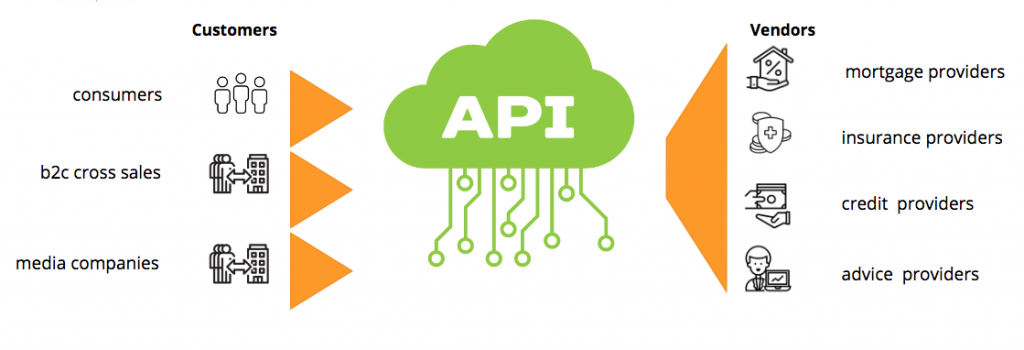
As well as offering our services direct to consumers, we are also able to open up our technology to selected partners using our cloud based architecture.
This will raise the bar for the Irish financial services industry as a whole. We will be announcing our first partners in the coming weeks
What’s next?
If you share our passion to re-shape the personal finance landscape in Ireland, you can follow our progress on our social channels below or by signing up to our newsletter. If you want to suggest a great idea, an article or you are a potential partner you can reach me on mark@moneysherpa.test.inview.ie.
If you want to make smarter investment or mortgage choices, you already know where to go ;-).
New information available from the property price register shows that Dundalk mortgage holders could save over €68 million euros by switching their mortgages to lower rates.
With the gap between existing and new business rates wider than ever, there are record savings for Dundalk mortgage switchers.
Mortgage switcher rate savings
To compare different mortgage rates you are better off using the Annual Percentage Rate Change (APRC) rather than the headline rates according to the Consumer Protection Commission. The APRC includes hidden fees and the full cost of the mortgage, so gives a much better picture of real savings.
The average APRC for those who bought after 2008 is 4.2%, according to the Central Bank of Ireland [1], but new business APRC rates are now as low as 2.29%, according to the money guide moneysherpa.test.inview.ie , that’s 1.91% lower.
This means Dundalk mortgage holders can almost half their rate by switching.
One thing to watch out for though, before 2008 Dundalk mortgage holders are likely to be on a tracker mortgage. These mortgages have an APRC of around 1%, so it is unlikely you will save if you bought before then.
How many Dundalk mortgage switchers will save?
According to the property price register [2] just under four hundred houses are sold in Dundalk every year. Since 2008 almost 5,500 homes have been sold in and around Dundalk.
Just over of a third of houses sold are in new developments built since 2008, these include:
Rathmount
Earlsfort
Marlmount
Mount Hamiliton
Lis na dara
Saltown
Castleross
On average, according to the Central Bank, half of those sales are funded with a mortgage, this means there are around 2,500 Dundalk mortgage holders stand to save by switching.
How much is the average saving for mortgages in Dundalk?
According to the Banking and Payments Federation Ireland (BPFI) [3], switchers have an average mortgage of €242,000 and 15 years of payments left.
Based on currently available new business rates, Dundalk mortgage holders would save over €25,000 each and €62.5m in total if they switched right away.
How do Dundalk mortgage holders switch?
The good news is switching isn’t complicated and is usually free according to Daire McConnon of moneysherpa.test.inview.ie.
“The banks are very keen for new business at the moment, so most cover any costs involved. The process is also much simpler than getting a new mortgage as you already have a home loan. “
“If you get a local broker or switching service to help you, they will handle all the paperwork for you and they are paid for by the lenders so are free to use .”
In a nutshell – Dundalk mortgage switcher savings
The fall in new business mortgage rates has made it attractive for the people to switch their mortgage.
There are over 2,500 Dundalk mortgage holders who bought after 2008 will make big savings by switching.
Switching isn’t complicated and a local broker can help you switch by handling the paperwork for you.